
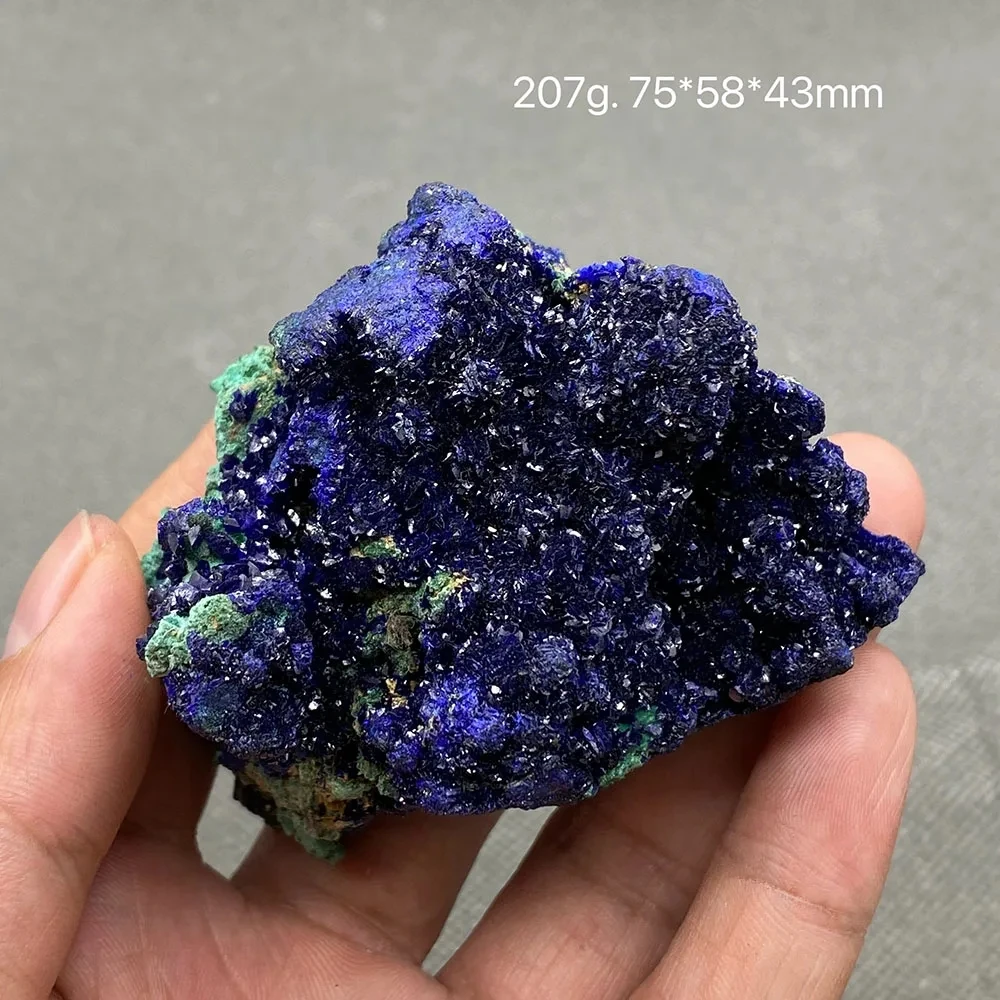
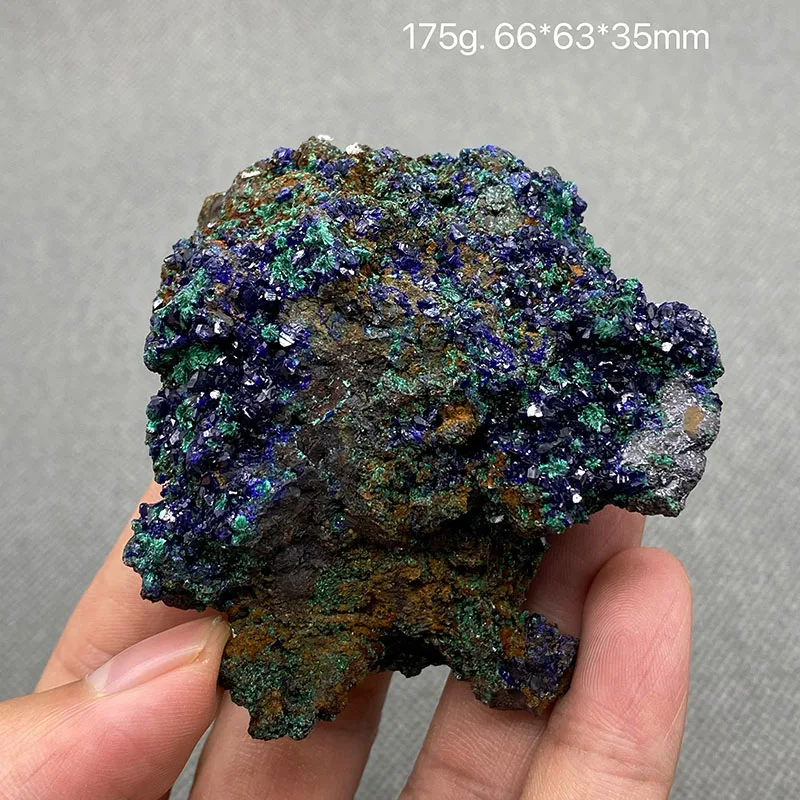
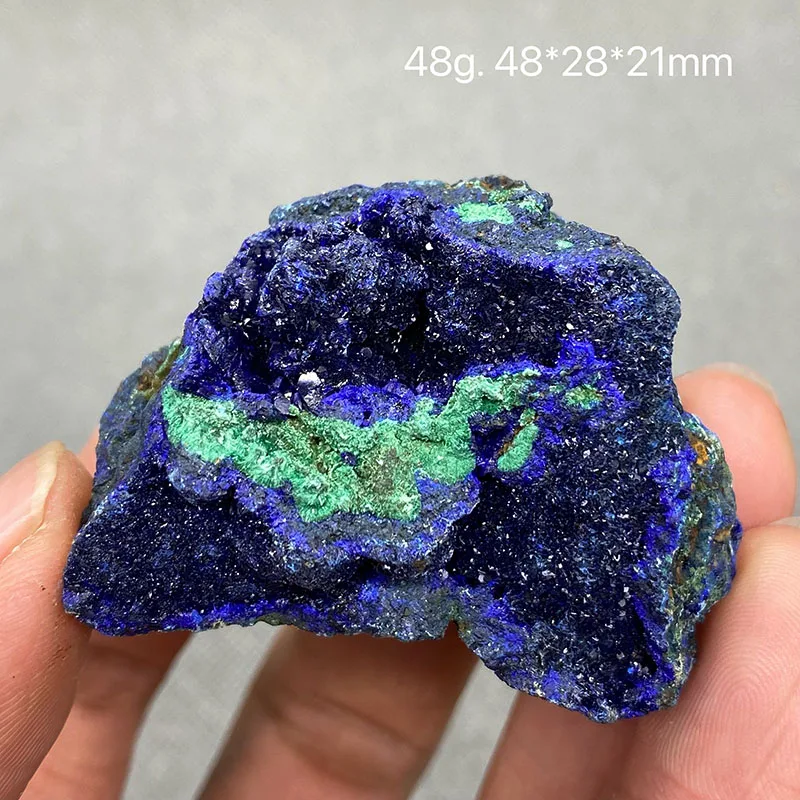
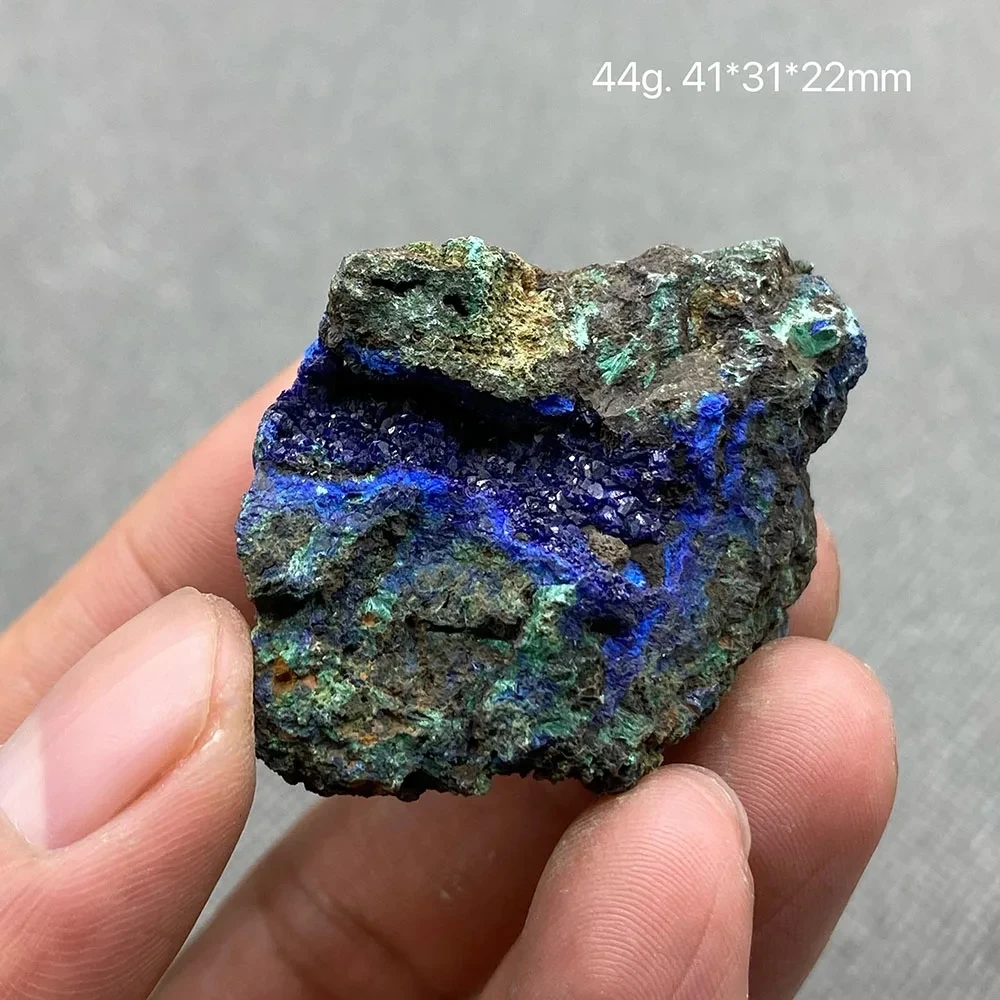
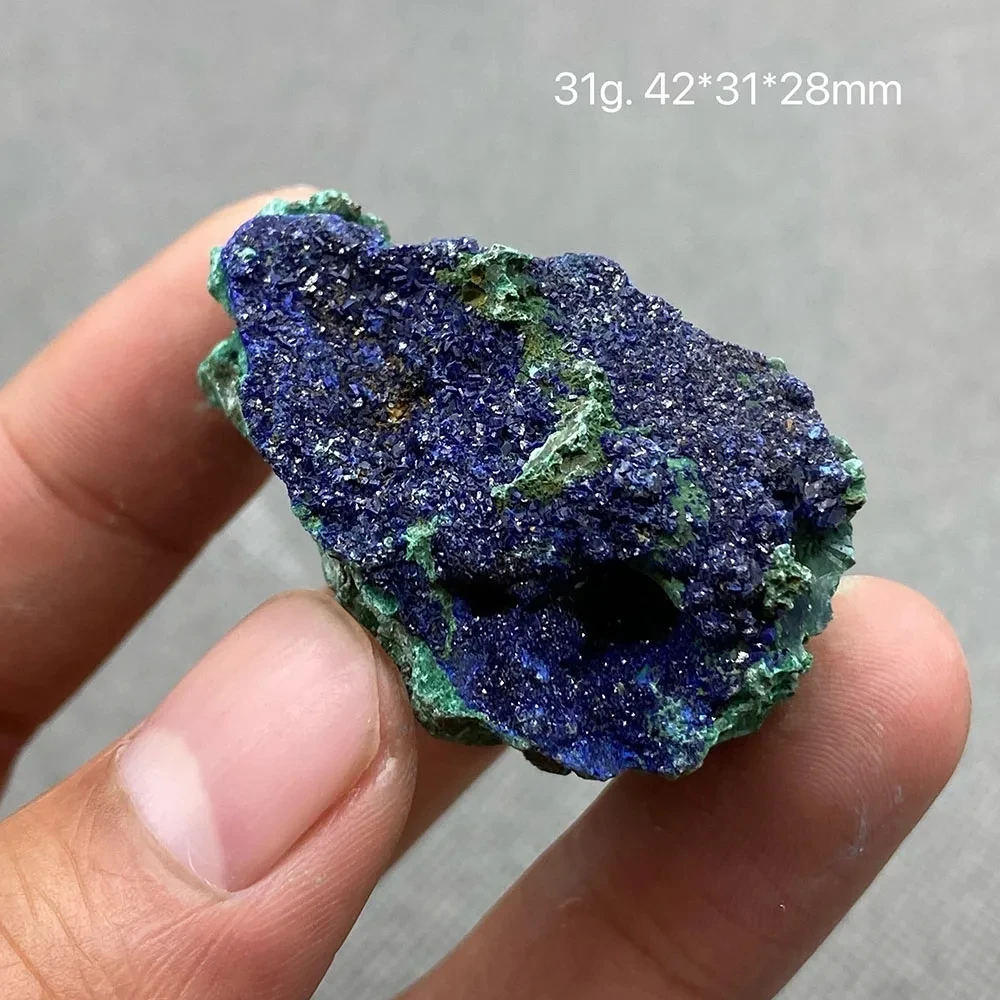
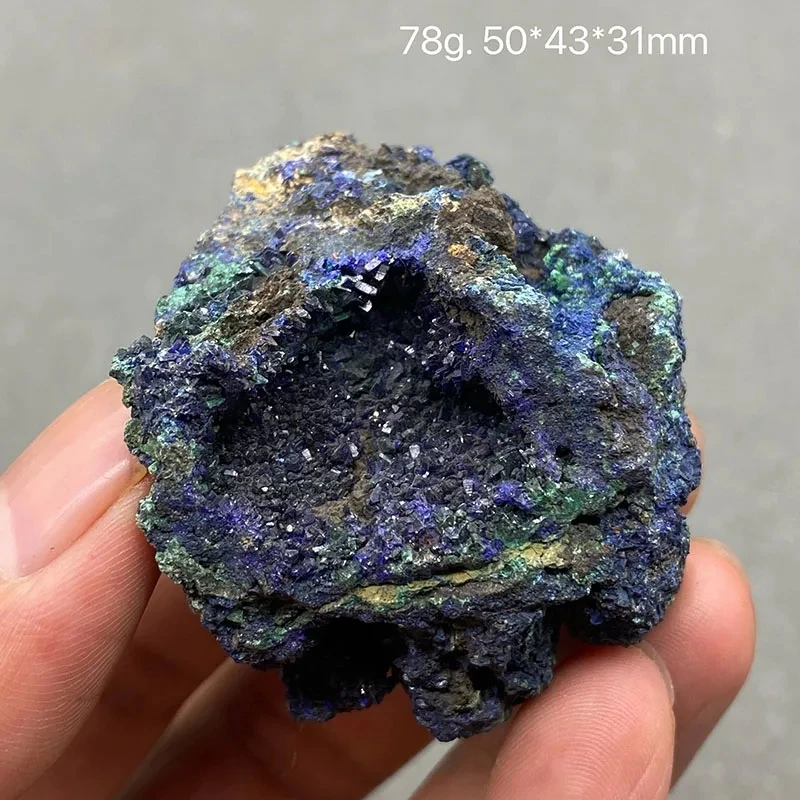
What is Azurite? A Deep Dive into its Formation and Characteristics
Ayzurite is a stunning mineral recognized for its vibrant blue color, which is a result of its chemical composition and the unique processes involved in its formation. Composed primarily of copper carbonate hydroxide (Cu3(CO3)2(OH)2), azurite forms predominantly from the oxidation of other copper-containing minerals. This fascinating transformation occurs in the near-surface environment of copper deposits, where carbon dioxide, combined with water and oxygen, interacts with copper minerals, leading to the creation of this exquisite mineral.
The formation of azurite typically happens in arid, oxidizing conditions, which provide the ideal environment for its crystallization. As azurite develops, it often appears in distinct prismatic crystals or massive forms, showcasing a remarkable ability to exhibit varying hues of blue. A notable characteristic of azurite is its relatively low hardness on the Mohs scale, measuring around 3.5 to 4, allowing for easier manipulation and polishing, which contributes to its aesthetic appeal in jewelry and decorative items.
Geographically, azurite is found in several notable locations worldwide, enhancing its desirability amongst mineral collectors and enthusiasts alike. Significant deposits can be encountered in regions such as the United States, particularly in Arizona and New Mexico, as well as Australia and Morocco. These locations are vital for miners due to the abundance of azurite alongside other copper minerals, offering a rich blend of both aesthetic beauty and geological interest.
The striking appearance and geological significance of azurite make it not only a sought-after collector’s item but also a valuable subject of study in the field of mineralogy. Its captivating blue hue and unique crystalline structure render azurite a remarkable mineral that stands out in the natural world.
The Uses and Benefits of Natural Azurite: From Healing Properties to Decorative Applications
Natural azurite, recognized for its striking blue hue, has held significance across various cultures throughout history. Renowned as a stone of wisdom, azurite is often associated with enhancing intuition and mental clarity. Traditional beliefs attribute healing powers to this gemstone, with proponents of crystal healing advocating its use for emotional balance and spiritual growth. This mineral is thought to help individuals access higher states of consciousness, making it a favored choice among those seeking deeper understanding and insight into their lives.
In contemporary settings, azurite is widely appreciated not only for its metaphysical properties but also for its aesthetic appeal. The allure of this mineral invites its incorporation into jewelry, where it serves both as a striking focal point and a conversation starter. Designers frequently use azurite in rings, necklaces, and bracelets, creating stunning pieces that highlight the gem’s natural beauty. Beyond jewelry, azurite’s unique coloration renders it a sought-after material in home décor, often featured in decorative items such as coasters, bookends, and wall art. Collectors particularly admire its vivid shades and intricate formations, adding to the mineral’s value in both personal collections and galleries.
Aside from its artistic applications, caring for natural azurite is essential to maintain its vibrant color and overall integrity. It is recommended to avoid prolonged exposure to direct sunlight and to clean the stone gently using a soft, damp cloth, as harsh chemicals or abrasive materials may damage its surface. By taking proper care, individuals can ensure that their azurite retains its striking visual appeal and potential benefits for years to come. This knowledge empowers enthusiasts and collectors alike to incorporate this fascinating mineral into their lives, whether for its therapeutic attributes or its remarkable beauty.




Reviews
There are no reviews yet.